Although experts do not fully understand the cause of Raynaud’s episodes, they know they are often triggered by cold or stress. Those living in cold climes are well-versed in managing symptoms, yet being in warmer zones by no means guarantees that symptoms will disappear. Understanding exactly what happens during an episode can help to explain this phenomenon, as can an awareness of other factors that may contribute to symptoms that typically appear in cooler weather. If you live in an area with hot summers or temperature fluctuations, there are many steps you can take to find quick relief when Raynaud’s strikes in warm weather.
Nervous System Overreaction
In Raynaud’s, the nervous system overreacts to the cold. Normally, blood vessels narrow slightly to keep your core warm; however, during an episode, they spasm and shut down almost completely to conserve heat and protect vital organs. This sudden drop in circulation starves the fingers and toes (or other extremities) of oxygen, causing the skin to turn white and feel cold. Even after the vessels reopen, the process can leave your hands or feet feeling painful or uncomfortable for some time. Interestingly, research suggests women may be more prone to this condition, partly because they typically have a higher body fat percentage, which naturally prioritizes core warmth over blood flow to the extremities.
Temperature Fluctuations
One of the greatest challenges for people with Raynaud’s is the extreme temperature fluctuations that occur in summer. In the U.S., states with significant daily and indoor-outdoor temperature gaps include Texas, Florida, Georgia, Louisiana, and Arizona. In these regions, outdoor temperatures can soar above 95–110°F, leading building and home dwellers to combat the heat with aggressive air conditioning.
As individuals enter interiors set at 65–70°F, they can experience a temperature drop of up to 40°F, which is a major trigger for an attack. These fluctuations are not limited to the southern states; they also occur in areas known for milder weather, such as coastal California, where microclimate swings, fog, and wind can rapidly cool the environment. Any dramatic shift in temperature can trigger an attack—even walking from a cold air-conditioned building into a hot, humid outdoor environment can cause the vessels to react to the substantial change as you enter the warm surroundings.
Medications That Increase Cold Sensitivity
Some medications can increase cold sensitivity in the hands and feet due to metabolic and circulatory changes. These include antihistamines, beta-blockers, migraine medications, and ADHD drugs. For instance, tirzepatide (Mounjaro)—an FDA-approved medication for weight loss and diabetes—affects metabolism and appetite, and alters blood circulation, leading to reduced body heat and colder extremities, and some patients on the drug have reported experiencing cold extremities. While GLP-1 medications like Mounjaro do not cause Raynaud’s, they can trigger cold intolerance in people who are already susceptible. Fortunately, as with other triggers, these symptoms can often be managed through lifestyle changes.

Managing Cold Sensitivity in Warm Weather
- Stay active: Short breaks to walk around, run up a flight of stairs, or perform light stretching exercises can boost circulation.
- Desk exercises: For those with limited mobility and balance issues, chair yoga is an effective way to improve blood flow.
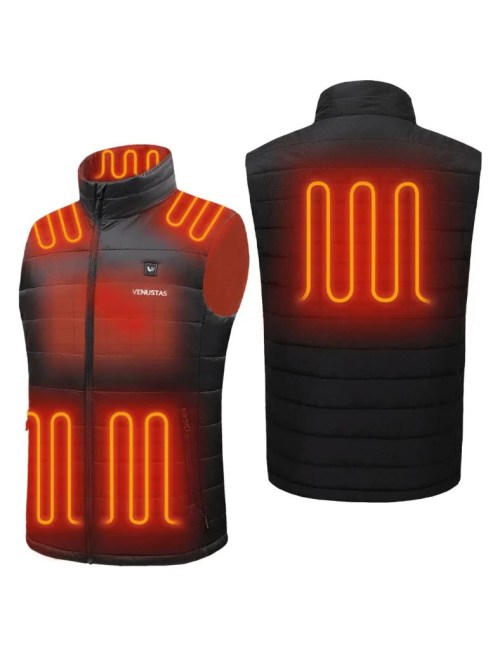
- Personal warming tools: Using space heaters, hot packs, or fingerless gloves allows you to keep your hands warm while typing or working.
- Dress in layers: Always keep a light sweater or blanket nearby for sudden indoor temperature drops.
Keeping Stress at Bay
While summer is often seen as a relaxing season, extreme heat, disrupted routines, financial pressure and “perfect vacation” expectations can increase stress. Because stress is a known trigger for Raynaud’s, maintaining a consistent routine is vital. Aim for steady sleep schedules, regular meals, and stress-reducing activities like yoga or mindfulness meditation.
Warm weather can also pose unique challenges for Raynaud’s sufferers spending more time indoors in air-conditioned spaces. Keeping extra clothing at hand, such as a light sweater or foldable jacket, can prevent the physical and mental stress caused by sudden cold exposure when entering air-conditioned spaces.
In summary, the symptoms of Raynaud’s are by no means limited to the fall and winter. Those living in warmer climates can also experience circulatory issues, especially when exposed to large temperature fluctuations or stress. People with Raynaud’s can help prevent episodes in warm weather by staying active, being prepared for temperature fluctuations, and following a daily routine to help manage stress.
For more tips on navigating these challenges, explore these additional resources:
Warmer Climates and Raynaud’s Phenomenon – Learn how humidity and heat can be nearly as triggering as the cold.
Summer Months Present Raynaud’s Challenges – Tips for protecting your core and extremities in fluctuating heat.
Raynaud’s Guide to Mastering Transition Weather – Strategies for handling rapid daily temperature swings.
Summer Self-care Ideas for Raynaud’s Sufferers – Practical advice for controlling your environment and managing stress.