For those living with Raynaud’s phenomenon, the start of 2026 is an ideal time to commit to habits that protect your circulation and reduce the frequency of painful attacks. By focusing on a few lifestyle adjustments, you can better manage triggers like cold and stress throughout the year with these 7 simple 2026 New Year’s resolutions.
1. Track Your Triggers for Raynaud’s Attacks
-
- Temperature Thresholds: Note the specific temperatures that cause a reaction, including humid or rainy conditions that may lower your threshold.
- Rapid Transitions: Pay attention to dramatic temperature changes, such as entering a walk-in freezer or an air-conditioned building.
- Chemical Constrictors: Monitor your intake of caffeine and nicotine, as both can aggravate symptoms by constricting blood vessels.
- Emotional Stressors: Identify recurring work or family situations that correlate with increased Raynaud’s activity.
2. Commit to Layering and Keeping the Core Warm
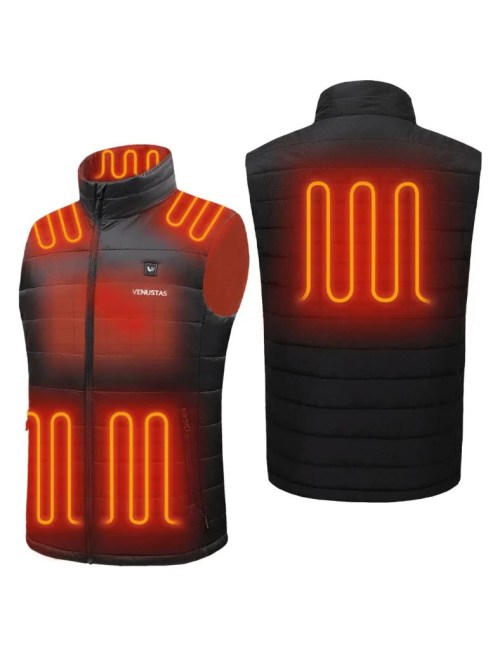
Resolve to keep your core body temperature stable, as a cold core can trigger attacks in the extremities that result in sending blood from the extremities to the core to protect vital organs. In 2026, invest in high-quality thermal base layers, as layering traps warm air close to the body for keeping the core warm. Specialized gear like heated jackets or vests or rechargeable hand warmers help maintain constant warmth when you potentially need it most.
3. Prioritize Stress Reduction
Since emotional stress is a major non-thermal trigger, make it a goal to practice relaxation techniques that help lower adrenaline levels.
-
-
Explore Relaxation Methods: Options such as meditation, gentle yoga, tai chi or self-help techniques like biofeedback can help lower adrenaline levels that otherwise constrict blood vessels.
-
Implement a “Digital Sunset”: Resolve to put away screens at least one hour before bed. Constant blue light and notifications keep your body in a high-alert state. This state triggers the “fight or flight” response, which directly links to vasoconstriction which can trigger attacks.
-
Find Personal Calm: This process doesn’t necessarily require a formal activity, maybe reading a book, streaming your favorite music or just cuddling with Fido or Fluffy may be good stress relievers.
-
Here are several articles from our blog that offer ideas for managing stress:
Science-backed Ways to Relieve Stress
COVID Stress Can Boost Raynaud’s Woes
Chill Down with Traditional Eastern Medicine
Fragrance Therapy For Raynaud’s Sufferers
4. Establish a Regular Exercise Routine
Exercise improves overall circulation. It’s also good for taking your mind off of stressful triggers, as stated above. For 2026, set a goal, such as 30 minutes of moderate activity five days a week (a Cleveland Clinic recommendation in general, not specific to Raynaud’s). While you might prioritize indoor environments to avoid cold exposure, you don’t need to totally dismiss outdoor activities, they just require smart preparation and gear, plus awareness of the change in temps before entering and exiting cold conditions. Here are several articles offering suggestions for outdoor exercising tips for us Frosties:
Outdoor Exercising Tips for Raynaud’s Sufferers
Tips for Mastering Winter Sports with Raynaud’s
Member Spotlight: Christina Vipond-Jones
5. Eliminate Circulatory Constrictors
Set a firm goal to quit smoking or vaping, as nicotine causes immediate and potentially permanent damage to blood vessels. Additionally, try reducing caffeine intake from coffee, tea, energy drinks and even certain over-the-counter medications including: nasal decongestants (Sudafed), antihistamines (Benadryl), and pain relievers (Excedrin).
6. Upgrade Your Daily Protection Gear
Replace old gloves with mittens, which are more effective at trapping heat by keeping fingers together. Separate from heated options, there are some excellent mittens on the market that offer multiple warm layers of insulation on their own, like the Öjbro Wool Gloves and Mittens with four separate layers of material to keep your paws toasty. Another option is a lobster claw alternative which is a mix between a glove and a mitten, as only the thumb is separated.
For warming toes, Heat Holders® Thermal Socks offer three levels of insulation proven seven-times warmer than cotton socks, and claim to be three times more effective at keeping feet warmer than standard thermal socks.
Keep “emergency” items—like oven mitts for handling frozen food—in easily accessible places.
7. Partner with a Specialist
If you haven’t already, resolve to consult a rheumatologist (the most knowledgeable specialists about Raynaud’s) to confirm if yours is the primary or secondary form of Raynaud’s. Also review with them your current medications, as some common ones like beta-blockers or migraine drugs can worsen symptoms. If your Raynaud’s is severe or symptoms are increasing, discuss treatments available and determine if you are a candidate for one or more of these options.