For most people, the arrival of spring is a cause for celebration. Out come the shorts, the iced coffees, and the open windows. But for those living with Raynaud’s phenomenon, spring can be one of the most deceptive and challenging times of the year. That’s why we’ve put together these tips as a guide to help you master spring transition weather with Raynaud’s.
While we all welcome the end of winter’s bitter freezes, the “in-between” season brings its own set of hurdles. Raynaud’s attacks aren’t just triggered by extreme cold—they are often sparked by rapid temperature shifts and the body’s inability to adapt quickly.
For “Frosties” navigating unpredictable spring transition weather, here is your guide to staying warm, active, and spasm-free.
The Science of the “Spring Shift”
Spring Fashion: Master the Art of the “Quick Change”
- The 20-Degree Rule: Spring weather is famous for fluctuating by twenty degrees in a single afternoon. Your wardrobe needs to be just as flexible.
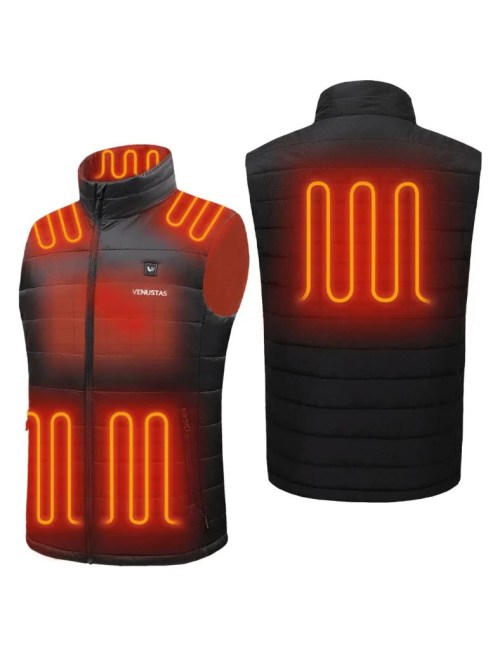
- Protect the Core: Your body’s natural defense to cold is to pull blood away from your fingers, toes or other extremities to keep your vital organs warm. By wearing a lightweight, windproof vest (like those from Venustas) over a long-sleeved shirt, you keep your core temperature stable, allowing blood to flow freely to your fingers.
- The “Secret” Layer: Keep a pair of thin, touchscreen-friendly gloves (Glider Gloves), liners or fingerless gloves (Wristies, Refiber Designs) in your car, purse, or jacket pocket. They are discreet enough for a spring day but provide just enough barrier when the wind picks up.
- Footwear Matters: Damp spring ground can quickly freeze your feet. Choose water-resistant shoes and moisture-wicking socks (Heat Holders Thermal Socks) rather than jumping straight into canvas sneakers or sandals.
Around the House: Spring Cleaning & Gardening
- In the Garden: Early spring soil is incredibly cold and damp, and metal garden tools hold that chill. When planting your bulbs or weeding, use tools with wooden or rubberized grips. Always wear waterproof gardening gloves over a warm fabric liner (FibreHeat® Glove Liners).
- The Cleaning Blitz: Deep cleaning often involves plunging your hands into buckets of water or clearing out cold, drafty basements and garages. Protect your hands by using warm water instead of cold, and wear lined rubber gloves to keep moisture away from your skin.
 Stepping Out: Exercise & Socializing

- The Post-Workout Chill: When you jog, walk, or cycle in the spring, you sweat. The moment you stop moving, that damp clothing combined with a cool spring breeze will cause your body temperature to plummet, triggering an attack. Stick to moisture-wicking base layers and change out of damp clothes immediately after exercising.
- The Iced Beverage Trap: Coffee shops eagerly switch to their iced menus this time of year. Simply holding a condensation-covered cup of iced tea or cold brew can cause a localized attack in your fingers. Keep a reusable neoprene cup sleeve in your bag to insulate your hands. If one isn’t handy, just grab extra napkins!
Embrace the Season with Preparation
Living with Raynaud’s doesn’t mean you have to stay indoors while the rest of the world enjoys the sunshine. By anticipating sudden shifts and keeping a few protective layers handy, you can enjoy everything spring has to offer—minus the seasonal chills.
For more tips on dealing with outdoor exercise, affects of temperature fluctuations, layering, and more here are additional articles you might find helpful:
- Outdoor Exercising Tips for Raynaud’s Sufferers – Don’t let a fear of cold feet keep you inside. Learn how to manage the “post-workout chill” and choose the best moisture-wicking gear to stay active all season long.
- Spring RA Q&A – Curious why your symptoms persist even when the sun is out? Dive into our seasonal Q&A for expert insights on managing temperature sensitivity during the spring months.
- Spring Member Tips – From specialized alpaca socks to the best lightweight layers, see which products and tricks our members rely on to navigate the “in-between” weather.
- Summer Months Present Raynaud’s Challenges – Master the science of heat retention. This guide breaks down how to protect your core and keep your blood flowing to your fingers and toes when the temperature drops.
- Warming Tips for Raynaud’s Sufferers – Spring is just the beginning! Get a head start on how to handle the “indoor winter” created by heavy air conditioning in grocery stores, offices, and restaurants.